

How to Make (Good) Espresso
By: Ashley Dease
The dust has settled, the gift wrap stuffed in the trash, and the toys are still shiny and new. Yes, Christmas is over, but one of those shiny new toys that we suspect many people received this year is an espresso machine. You can bet that delicious coffee can come with that espresso machine, but also a steep learning curve. That is where we are stepping in.
Espresso is a finicky beast. It only tastes good under very specific conditions and if anything is off, it can be extremely sour or extremely bitter. If you are not sure what you are doing, you may be tempted to sell the espresso machine to stick to easier coffee. Don’t do that, though! Today, we have your go-to guide on how to get that machine to brew delicious espresso. Stick with us and by the end of this blog, you will have all the tools you need to be able to “dial-in” any espresso just the way you like it.
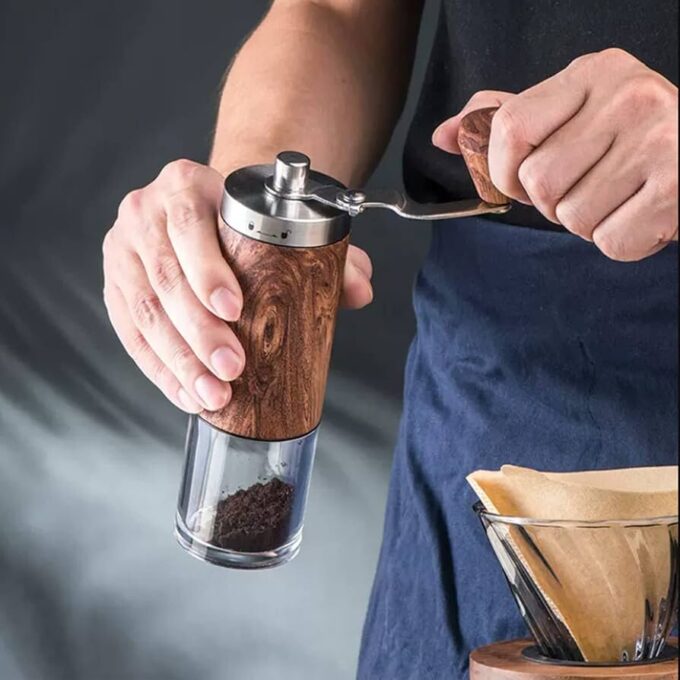
First things first, do you have a grinder? Specifically, a burr grinder? If the answer is no, you purchase your coffee pre-ground, or you have it ground at a coffee shop or grocery store, then stop reading right here and get your hands on a grinder that can grind your coffee very finely. Luckily, the grinder doesn’t have to be expensive, there are some high quality hand grinders that don’t break the bank and can grind for espresso. We highly recommend buying one, or your espresso journey will be frustrating and short-lived.
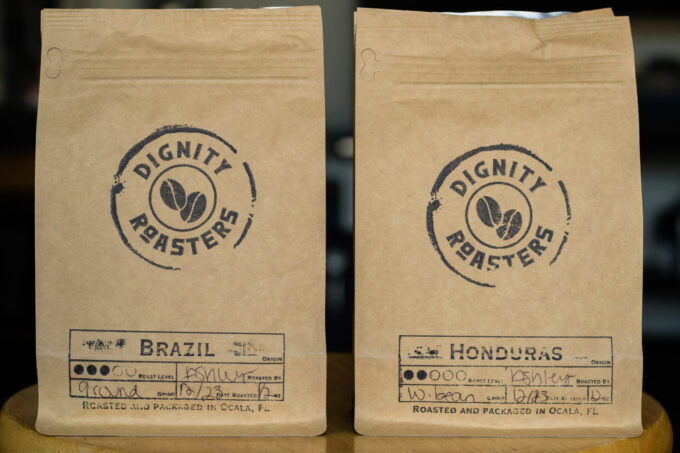
While we are getting your home café ready to make delicious espresso, we also need to sort out the type of coffee you have. Does it have a roast date on the bag? If not, your coffee was not made by a small batch roastery and is likely too old to properly make espresso. Make sure your coffee has a roast date of within the last month, and you will be good to go. And if we may suggest, Dignity Roaster’s medium roast Brazilian coffee makes a delicious espresso shot that is chocolaty and nutty and pairs well with milk drinks like lattes and cappuccinos.
Now that we have the machine, the grinder, and fresh coffee, we can begin the espresso process. Let’s start with the recipe, a common coffee to water ratio of 1:2 is a great place to start. If you have a standard sized portafilter, a dose of 20 grams of coffee to yield 40 grams of espresso is where you will want to begin. Now that we know how much coffee and water to use, we need to know how long to pull the espresso shot. Typically, a shot in the 25-30 second range is where you want to aim. Of course, there are exceptions to all of these rules, but beginning here will get you close to that espresso shot that you are aiming for.
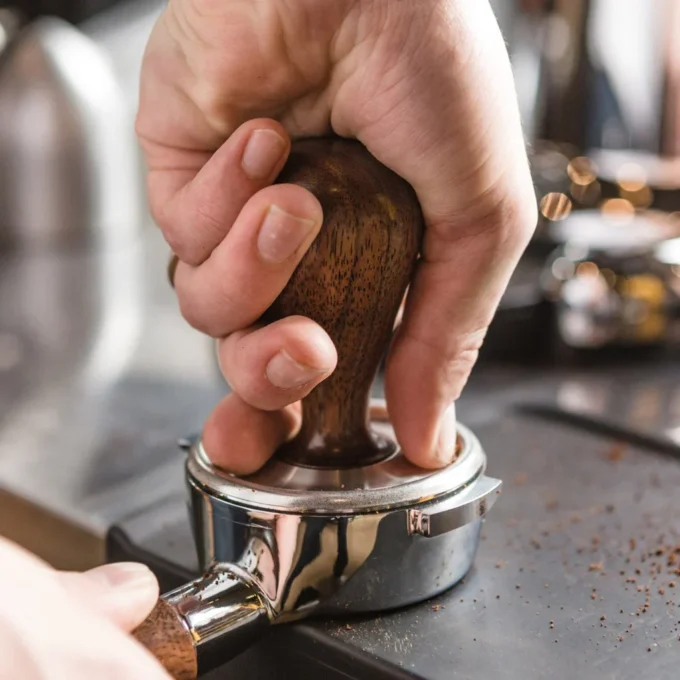
Let’s talk about the first step: tamping. While how hard you tamp your espresso grounds does matter, the most important factor to keep in mind is that you tamp your grounds evenly and consistently. After you grind 20 grams of coffee into your portafilter, prep your portafilter by tapping on it and distributing your bed of coffee so that it is flat. When you go to tamp, press down firmly until your hand stops moving. You do not need to press any harder. Now you are ready to pull your shot.
This is where the fun part actually starts because you have a couple questions to ask yourself. How long did it take to pull that espresso shot? How does it taste? You have to become the detective of your espresso shot and start playing with different variables to dial in your shot just the way you like it.
If your first shot was 27 seconds and tastes great, then congratulations! You don’t need to change anything about the way you are brewing your espresso. But if your espresso shot took 10 seconds to brew or, alternatively, 50 seconds, you likely have a grind size issue.
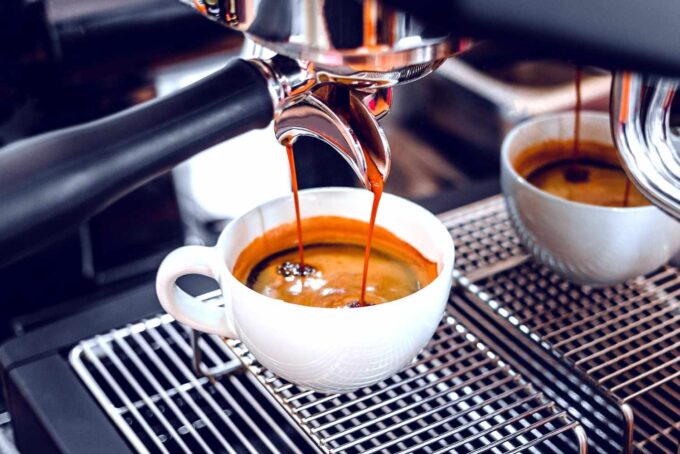
Imagine you have a cylinder full of rocks and you pour water through it. The water might slow some, but it will flow pretty freely through those rocks due to the gaps created by the rocks. Now imagine that same cylinder filled with sand, and you pour water through it. The flow will be a lot slower because there are fewer gaps. The same applies to espresso. If the flow is too fast, your espresso needs to be finer, if the flow is too slow, adjust your grinder to be coarser. All things being equal (coffee weight, ratio, tamping pressure), your next shot will be closer to the way you want it to taste.
Time isn’t everything, though. Your espresso may pull within the time frame, but still tastes off. This is where your senses come into play. A shot that is too sour is a shot that is too fast, which means you need to grind the coffee finer. If the shot is too bitter, it was pulled too slow and the coffee needs to be ground coarser.
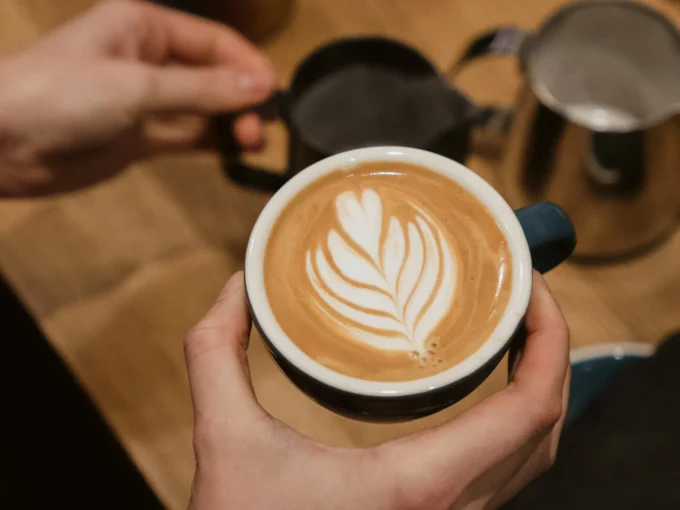
And there you have it! This whole process of tasting your espresso and then adjusting the grind size for the next shot to try it again is called “dialing in” your espresso, and it’s a necessary part of the espresso making process. Each new shot will get closer and closer to just the way you like it, helping you find your sweet spot. Having a bit of patience with your new machine and a playful, curious attitude will take you far on your espresso journey. Enjoy the process and get to learning how you like your espresso!